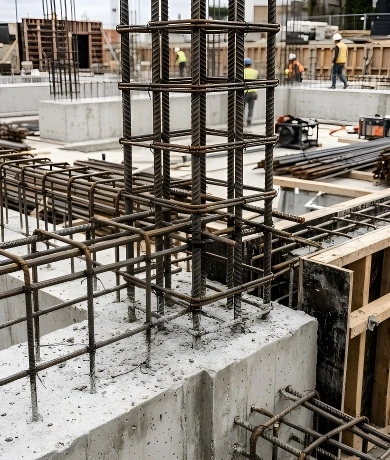
Positive Effects of Technology in the Construction Sector
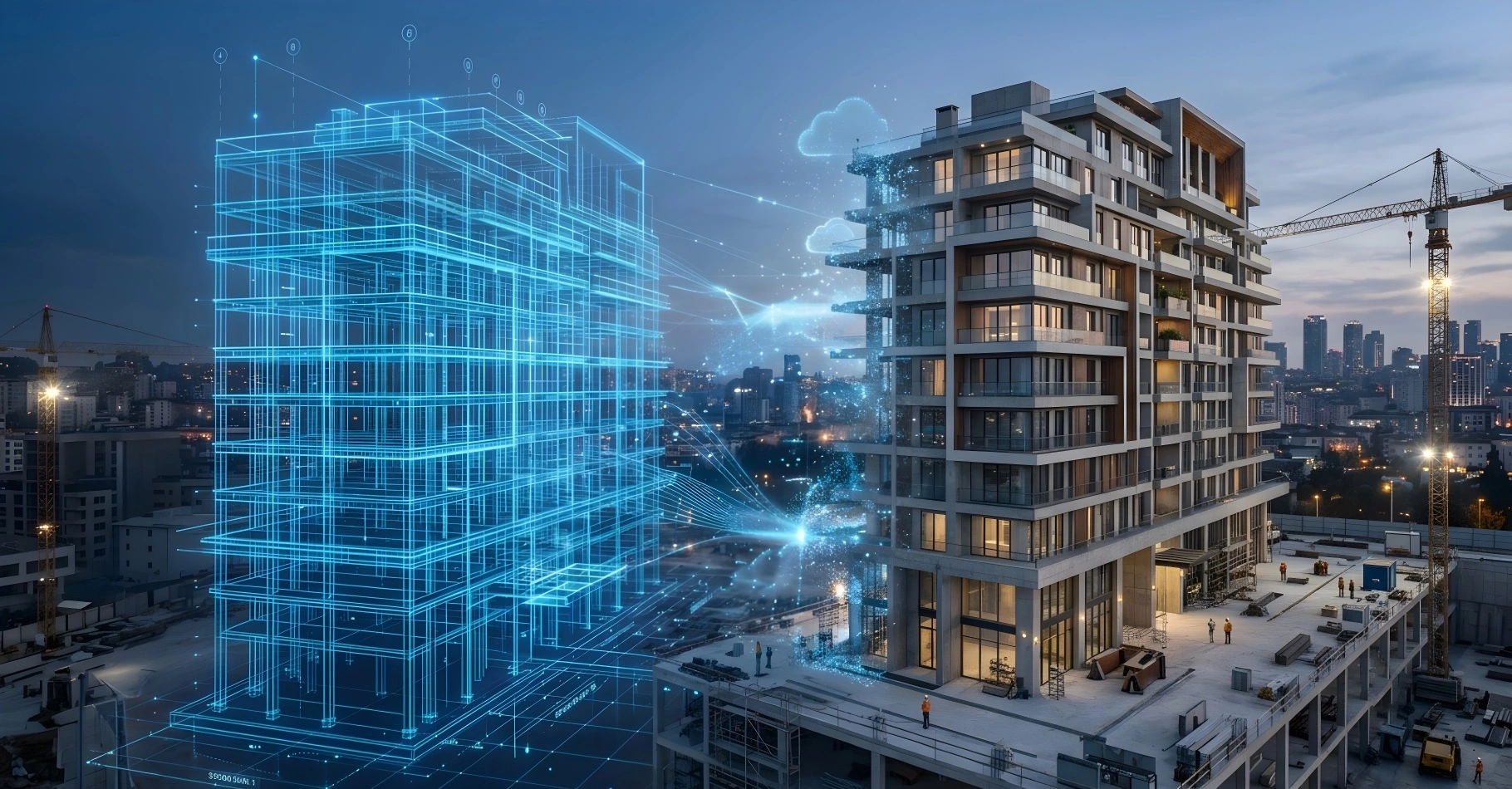
Positive Effects of Technology in the Construction Sector
Construction has been one of humanity's oldest sectors for centuries. However, the technological transformation experienced in recent years has completely changed this traditional field. Now, construction sites are managed not only with concrete and steel but also with data, software, and smart machines. So, what exactly does technology bring to the construction sector? Here are the most striking positive effects.
Projects Can Now Be Visualized Before They Are Realized
In the past, one had to wait for a building to be completed to understand how it would look. Today, thanks to 3D modeling and BIM (Building Information Modeling) technologies, projects are digitally constructed from start to finish in the initial stages. Clients can virtually tour their apartments, offices, or the site they will live in even before the foundation is laid. This increases trust and helps prevent design errors right from the beginning.
Cost and Time Control Are Much More Precise
Technology significantly reduces the two biggest problems in construction (budget overruns and delays). With project management software, the cost of each item, material consumption, and labor planning can be tracked in real-time. Potential disruptions can be predicted and addressed before they arise. This saves both the company and the client time and money.
Work Safety Is Elevated to the Highest Level
Construction is inherently a risky sector. However, thanks to smart sensors, drone inspections, and wearable technologies, accident rates on construction sites are decreasing every year. Early detection of hazardous areas, tracking the locations of workers, and performing high-risk tasks with robotic systems directly protect life safety.
More Sustainable and Eco-Friendly Structures
Modern construction technologies produce not only faster but also more eco-friendly structures. Energy-efficient materials, smart building systems, and reduced material waste through accurate measurements protect nature and lower operating costs in the long run. The buildings of the future are not only robust but also sustainable.
Quality and Labor Standards Are Rising
Thanks to laser measuring devices, automated quality control systems, and digital inspection processes, labor errors are minimized. Measurements made with millimeter precision ensure the emergence of structures that are smoother, more durable, and fully compliant with regulations.
Conclusion
Technology is bringing the construction sector to a safer, faster, more transparent, and more eco-friendly point. Companies that adopt this transformation early provide their clients not just a building but also trust, quality, and a modern experience. We closely follow these technologies in all our projects, building the structures of the future today.